

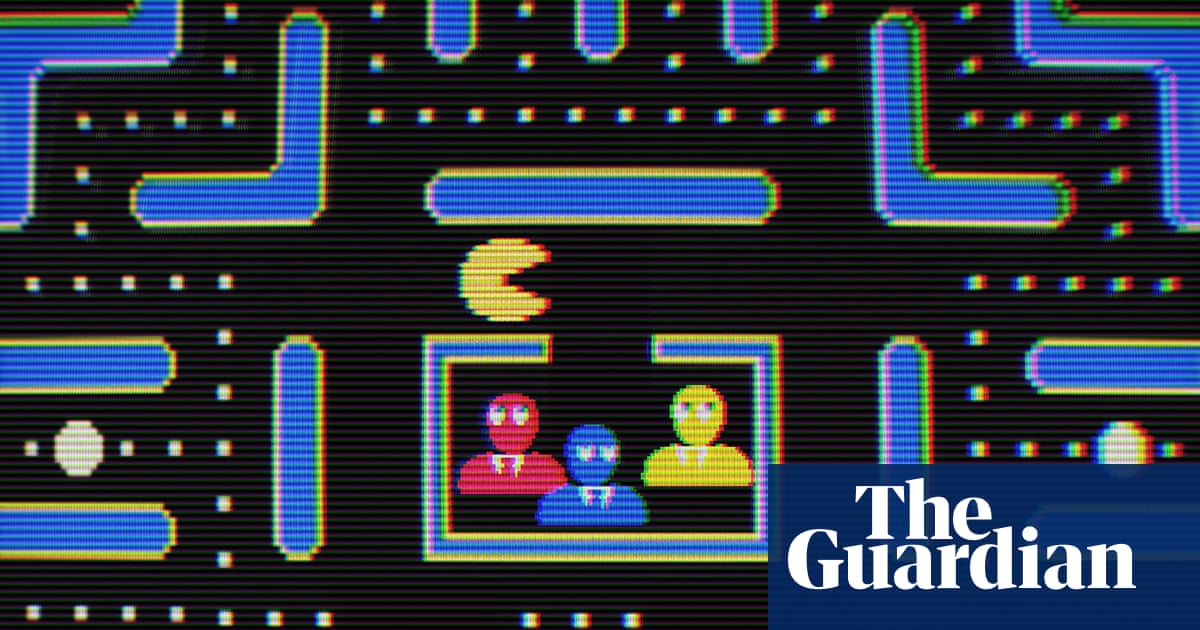
On one hand, all these redundant middle manager jobs are the ones that should be done away with. Although they shouldn’t be replaced by AI. Their jobs were probably already better replaced by a script or Excel spreadsheet.
On the other hand, these business leaders don’t have enough common sense to restructure roles and responsibilities after this big a shakeup, and the workers will be the ones stuck carrying the extra burden.
There’s still a role for actual managers - as coaches, doing recruitment, getting people into useful apprenticeships, helping them improve, developing them into standalone craftspersons.
And as people who can sit above the day-to-day workflows and make improvements, shutdown production lines for maintenance and so on. Adapt the working system to the people they have to try to get the most out of it. Bring in a new system, parallel run it on small scale (fucking test it), manage a roll out.
But in my experience managers are not selected to have those skills (which maybe quite rare), nor asked to perform those functions.
And when a large organisation sees something go wrong - possibly because of a lack of those things - they just recruit more jargon filled middle managers to argue about it deflect blame or steal credit. Or commission a consultant report to tell them nothing. They’re more like overseers at best.
The actual decent managers will admit when they made a mistake; that’s rarely given the respect it deserves.
it’s like that old IBM slide days. “A computer can never be held accountable. Therefore a computer must never make a management decision.” i find that quote meaningful in a lot of contexts but it’s especially relevant when we’re actually talking about management
Singh switched his one-on-one meetings with his seven direct reports from weekly to every other week. In between, he communicated asynchronously using his AI agents, bots that don’t need human intervention to execute tasks, that connected with his direct reports’ agents to collect updates and provide feedback, he said. While the strategy seemed to work for his team, he could see the risks of relying on AI to replace human interaction. … Though he hadn’t witnessed it yet, he could see a future in which managers, under increasing pressure, are tempted to use AI for decisions and blindly submit flawed suggestions. That could compound as other teams build on top of those decisions and could lead to data leaks, security holes or even system outages, he said.
The article isn’t wrong. Tech CEOs want to eventually just tell an AI to run their company, and for it to be automation all the way down, so that the capture the entire value production vertical. The problems noted above - poor decision making, lack of employee direction or development, compounding into larger issues - people like Zuck and Jassy are more than happy to gamble will be magically solved as AI advances.
If that’s the Christmas morning they’re looking forward to, these layoffs are them asking, well, why can’t we open a present or two early?
So I don’t think they have the slightest empathy for what a nightmare this will be for workers, already expected to produce double or triple the output to justify AI costs, and now to do multiple jobs entirely. They can only imagine the shining, glorious future where all friction and cost is gone, and they (and only they) can sit in a room, in a compound surrounded by armed guards and high walls, and passively collect as much value as possible.
I hope they crumble from the middle and fail completely.
