No even strait credits would be fine. Let’s game it out:
PlayStation sells a console for x-y dollars where x real cost of console and y is subsidisation discount. Their profit from game sales is z. Therefore total profit is x-y+z.
Steam sells Gabe cube for x dollars where x is real cost of console and issue y dollars of credits as subsidisation discount. Their profit from game sales is thus z-y dollars. Therefore total profit is x+z-y this is identical to that of PlayStation.
They can still do subsidisation without requiring the PlayStation/Xbox lockin as the credits limit subsidisation to steam ecosystem.
There’s no z in the Valve equation, though, because they’re not locking you in to their ecosystem on the device.
You’re right about Sony: They sell a console for x (cost of console) - y (subsidy) + z (profit from Playstation games). They’ve calculated that z is going to be significantly more than y over the life of the console, on average. Nearly every game anyone ever plays on a Playstation will involve some amount of money going to Sony. You can’t really do anything else with it.
But with Valve, if they sell a console for x (cost of console) - y (game voucher), there’s no guarantee of any z (profit from Steam games). A ton of people could (and probably will) buy games from third-party stores, or only use the Steam Machine for retro gaming, or pirated games, or as a media console, or have already-existing Steam libraries. A lot of people would use that voucher and never buy anything else on Steam, or only buy a few games on Steam sales. Only a fraction of games ever bought will go to Valve because it’s not a locked-down console.


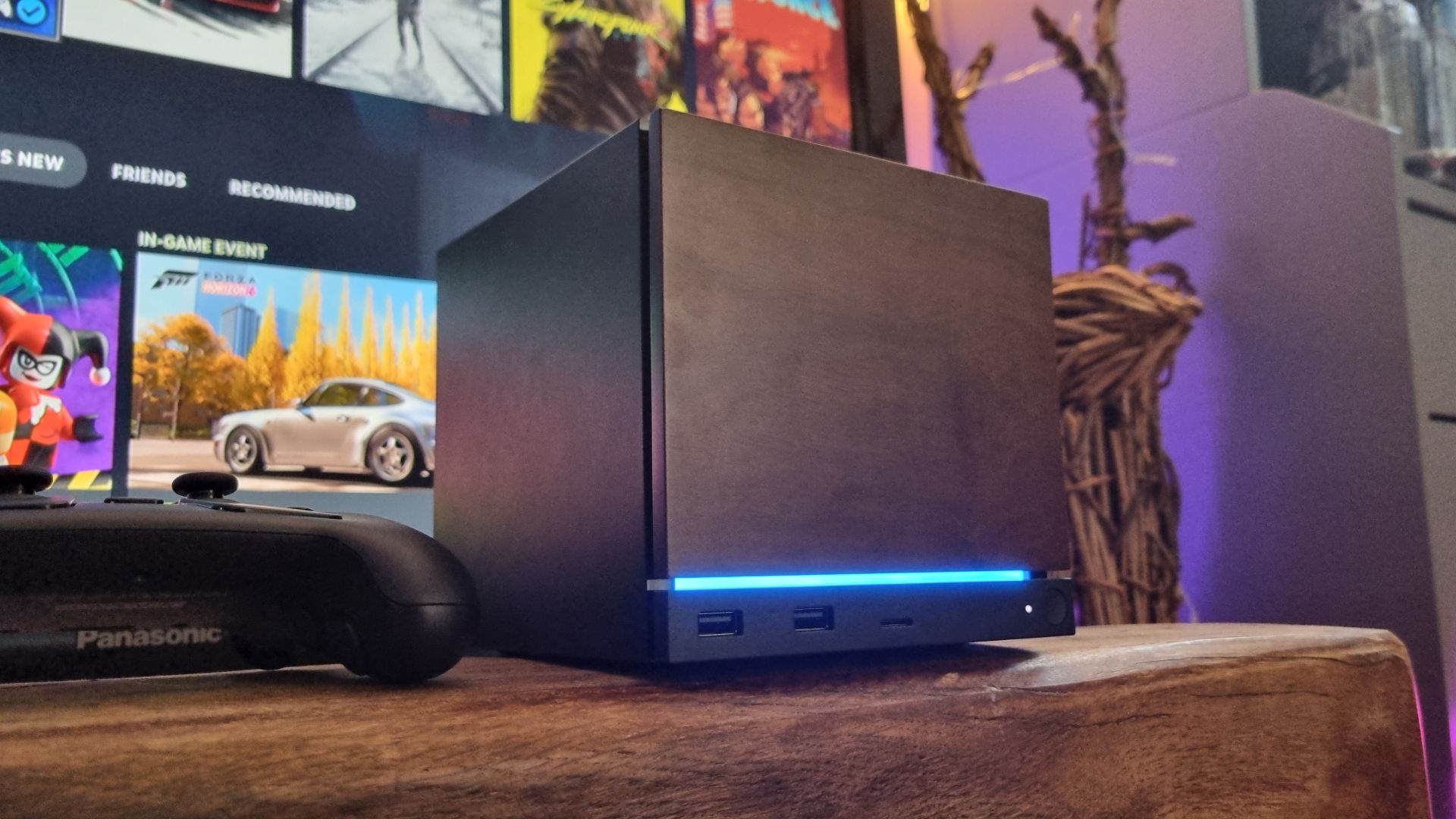
No even strait credits would be fine. Let’s game it out: PlayStation sells a console for x-y dollars where x real cost of console and y is subsidisation discount. Their profit from game sales is z. Therefore total profit is x-y+z. Steam sells Gabe cube for x dollars where x is real cost of console and issue y dollars of credits as subsidisation discount. Their profit from game sales is thus z-y dollars. Therefore total profit is x+z-y this is identical to that of PlayStation.
They can still do subsidisation without requiring the PlayStation/Xbox lockin as the credits limit subsidisation to steam ecosystem.
There’s no z in the Valve equation, though, because they’re not locking you in to their ecosystem on the device.
You’re right about Sony: They sell a console for x (cost of console) - y (subsidy) + z (profit from Playstation games). They’ve calculated that z is going to be significantly more than y over the life of the console, on average. Nearly every game anyone ever plays on a Playstation will involve some amount of money going to Sony. You can’t really do anything else with it.
But with Valve, if they sell a console for x (cost of console) - y (game voucher), there’s no guarantee of any z (profit from Steam games). A ton of people could (and probably will) buy games from third-party stores, or only use the Steam Machine for retro gaming, or pirated games, or as a media console, or have already-existing Steam libraries. A lot of people would use that voucher and never buy anything else on Steam, or only buy a few games on Steam sales. Only a fraction of games ever bought will go to Valve because it’s not a locked-down console.